Visible water is only one part of the discussion
A floor can look much better after standing water is removed while the homeowner still has important questions about what happens next. Water extraction describes removal of accessible water. Drying concerns moisture remaining in affected materials and spaces. These are related activities, but a statement that extraction is finished does not, by itself, explain whether the whole affected assembly is ready for repair or normal use.
When discussing a proposal, ask the provider to identify both parts of the plan in ordinary language. Which rooms contain removable water? Which materials need assessment? What spaces cannot yet be reached? A useful explanation should connect each recommended activity to an observed condition, rather than simply naming equipment or presenting a single unexplained package price.
Ask how the affected area will be established
Tell the assessor where you first saw water and what has happened since then. Explain whether anyone has already moved furniture, removed flooring or operated equipment. Ask how adjacent rooms, lower floors or concealed spaces will be considered. You are looking for a clear account of the assessment boundaries, including any areas that remain inaccessible or outside the proposed scope.
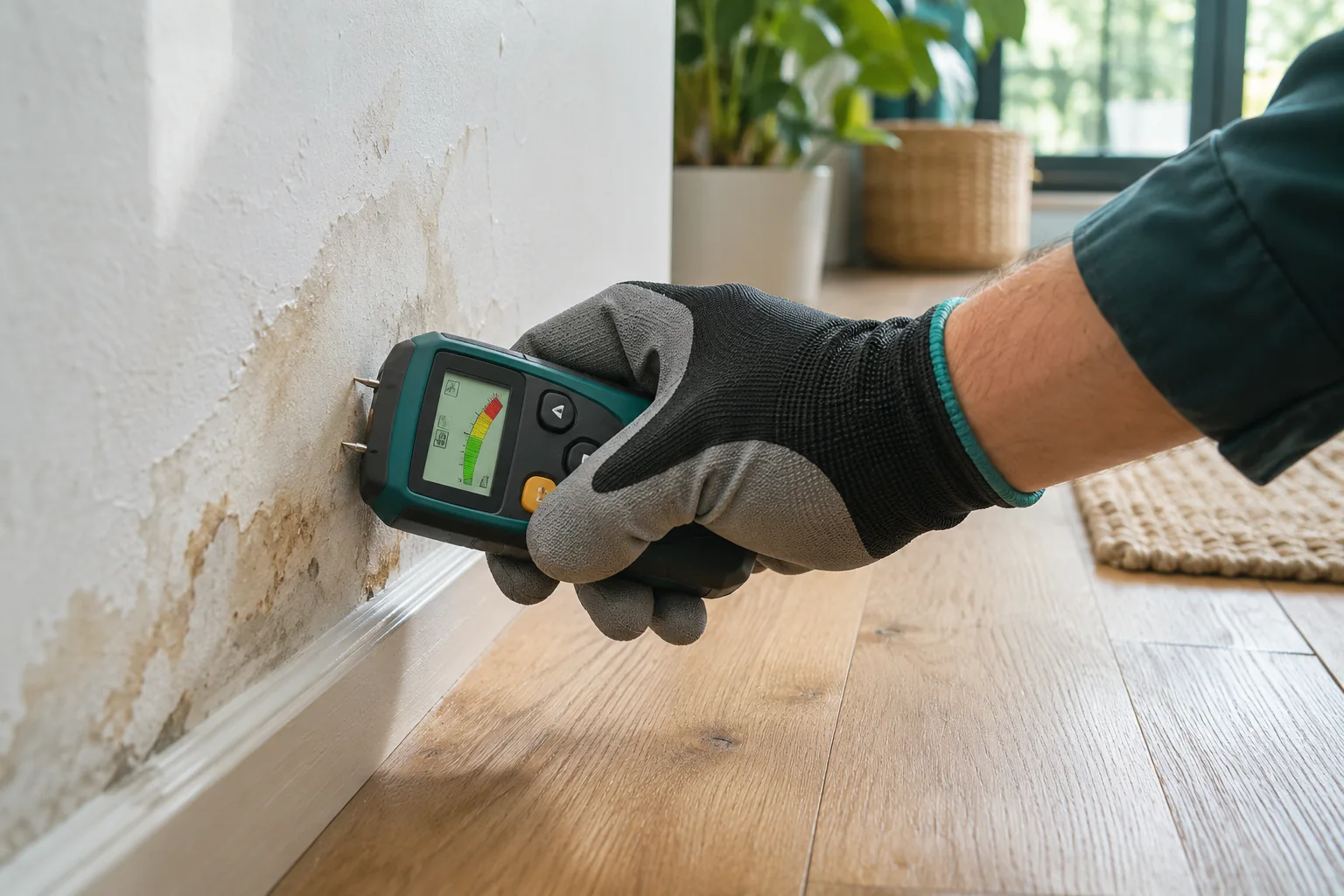
Moisture measuring devices can help evaluate wet building materials and monitor drying progress. EPA's worker guidance identifies moisture meters as a tool for that purpose. Ask the provider how it will record findings and explain the limits of its inspection. A thermal image, a surface reading and a visual observation are different pieces of information; ask what conclusions are supported by the actual method used.

Understand the equipment plan before it starts
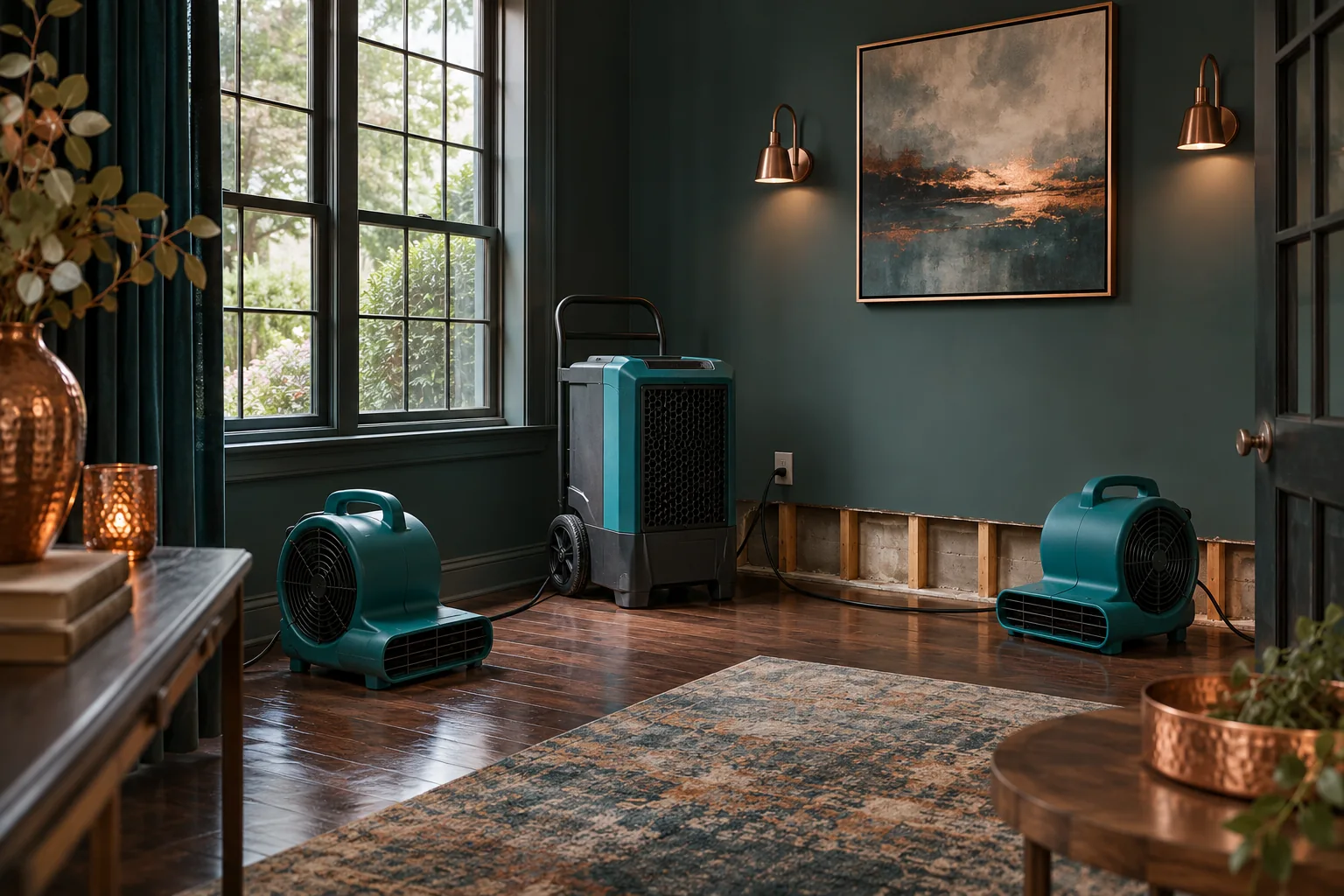
Equipment names do not tell you everything about the service. Ask what each piece is intended to do, where it will be placed, and whether doors or windows must remain in a particular position. Find out how the provider will supply safe operating instructions and whom you should contact if a machine stops, leaks, trips a circuit or interferes with essential household access.
Ask how often conditions will be reviewed and who is responsible for those visits. If equipment is charged by time, request an explanation of how the start and stop dates are recorded. Do not change the equipment arrangement based on a generic online suggestion. The appropriate setup depends on the incident, the materials and the provider's assessment, including any contamination concerns.
Make material decisions explicit
Some proposals focus on drying materials in place; others include removing particular finishes or components. Ask the assessor to identify each item proposed for removal and the reason. The decision should not be left hidden inside a vague phrase such as water restoration. Clarify whether the quote includes disposal, moving belongings, access openings, containment or replacement work, and which decisions require a separate authorization.
EPA's guidance for clean-water damage treats materials differently and distinguishes those cases from contaminated water situations. That is why a neighbor's previous cleanup is not a reliable specification for your home. A carpet, a wall cavity and a piece of upholstered furniture may raise different questions. Ask for the reasoning for your actual material and condition rather than a universal promise that everything can be saved.
Agree on what completion will mean
Before the project begins, ask what information will support the decision to remove equipment or proceed to the next trade. Request an explanation of the drying goal, how readings or observations will be documented, and what unresolved findings would change the plan. Avoid treating a fixed number of days as the only measure of success. A schedule is useful for planning, but the provider should explain how it responds to conditions.
Ask whether a final visit, written summary or photograph record is included. If a carpenter or flooring installer will follow, ask what information should be passed along. The water removal provider and the repair contractor may have different responsibilities. Naming the handoff now is easier than discovering later that each expected the other to confirm readiness.
Plan the household details as carefully as the equipment
A technically clear proposal should also make sense for the people living in the home. Ask which rooms will be accessible, whether noise or temporary barriers are expected, and how pets and children should be kept away from the work area. Identify the person authorized to approve changes and establish a practical time for progress updates, particularly if the property is unoccupied.
Keep a short daily record of provider visits, questions and instructions. Report new visible water or changes promptly instead of assuming equipment will address a continuing source. Water extraction, moisture assessment, drying and later repairs belong in a coordinated conversation, but none should be presumed included unless the written scope says so. Provider availability and capabilities must be confirmed for the particular incident.
Further reading
Reviewed November 23, 2026. General homeowner information; the provider determines the specific assessment and scope.