
Good information.
A calmer next step.
Practical guides to understanding water damage, asking useful questions and preparing for cleanup.
to a clearer plan.
Read. Prepare.
Take the next step.
Ten practical guides covering the first conversation, affected materials, drying and documentation.
Water in your home: a practical first-call checklist
Organize the details of a water damage incident, identify safety concerns, and prepare useful questions before arranging an assessment.
Read the guide
Water extraction and drying: understand the two conversations
Learn what to ask about removing visible water, checking wet materials, monitoring drying, and deciding when a project can move forward.
Read the guide
How to organize a water damage record without slowing the response
A room-by-room approach to photographs, incident notes, belongings, estimates and receipts after a water incident.
Read the guide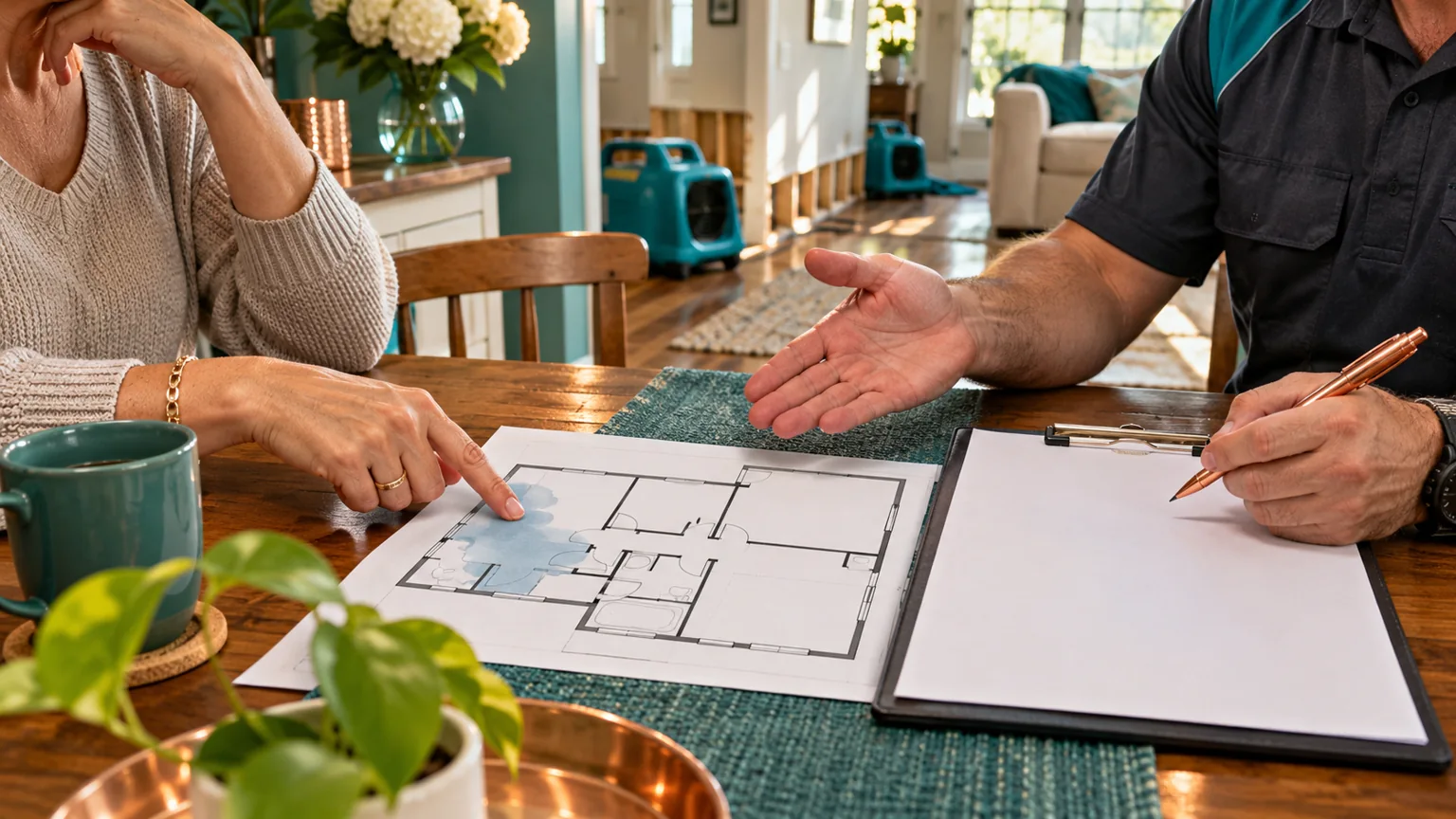
Questions to ask before authorizing water damage removal
Compare scope, assessment charges, equipment monitoring, exclusions and change approvals before agreeing to water removal work.
Read the guide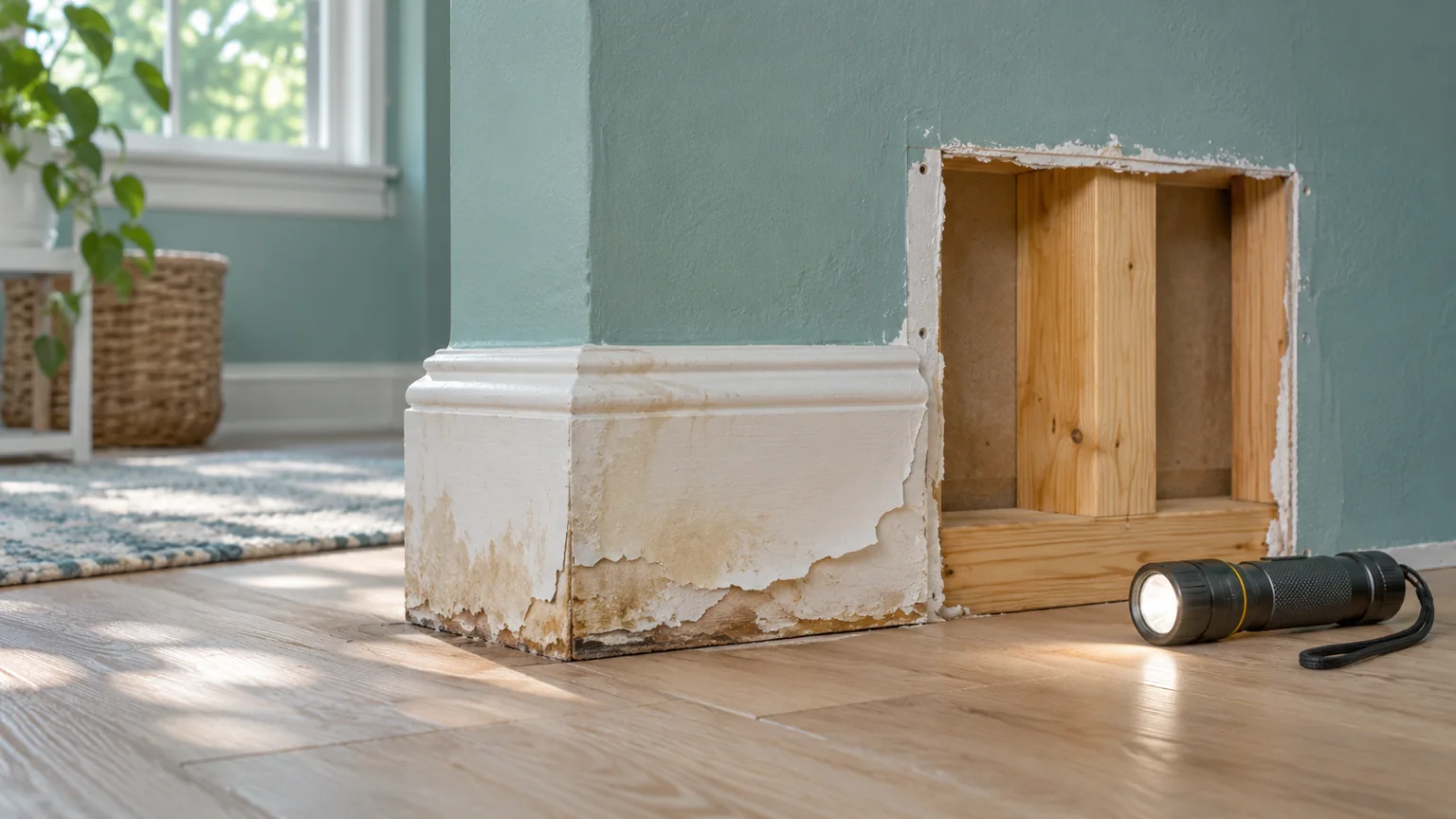
Wet carpet, flooring and walls: what to ask about hidden moisture
Prepare for an assessment of wet finishes, subfloors and wall cavities without assuming every material can be dried or must be replaced.
Read the guide
Basement water: prepare for an assessment before planning cleanup
Separate access hazards, the source of basement water, removal scope and longer-term repair questions.
Read the guide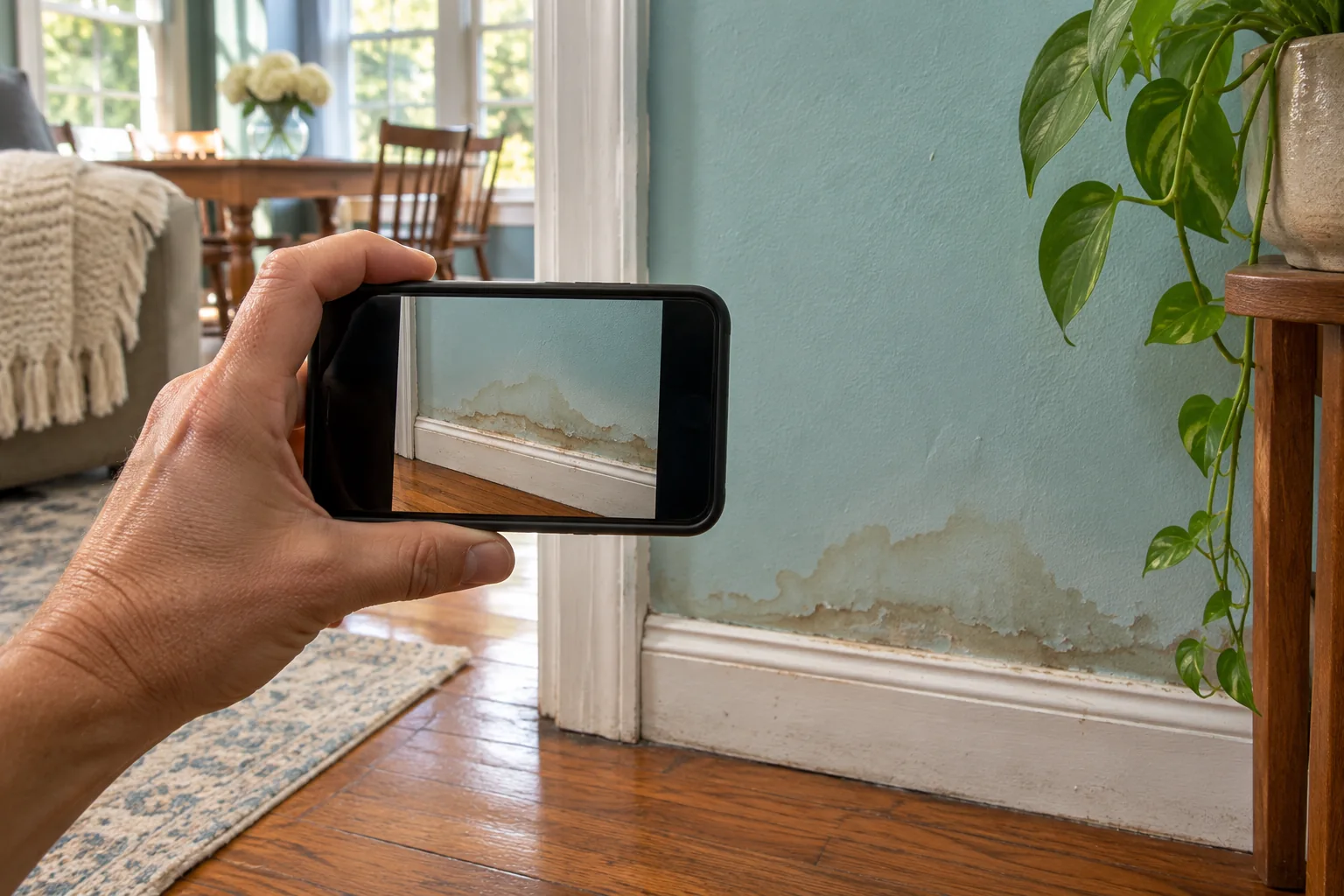
After a pipe or appliance leak: coordinate repair and water removal
Understand which details to share after an indoor leak, how to coordinate trades, and what to ask about affected rooms and materials.
Read the guide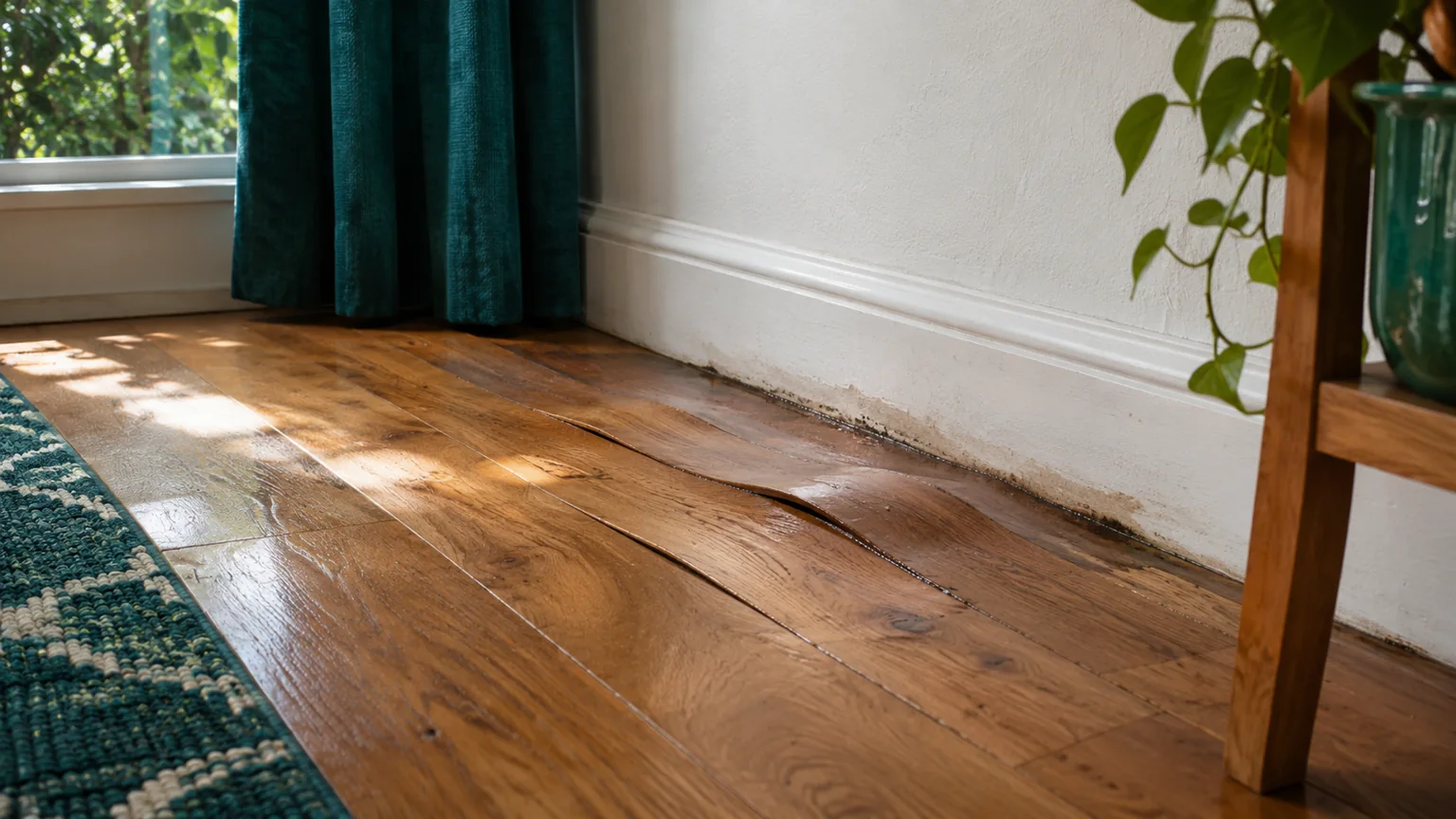
Water damage and insurance: organize the questions, not assumptions
Prepare a clear incident account and separate contractor scope from insurer decisions about your policy and claim.
Read the guide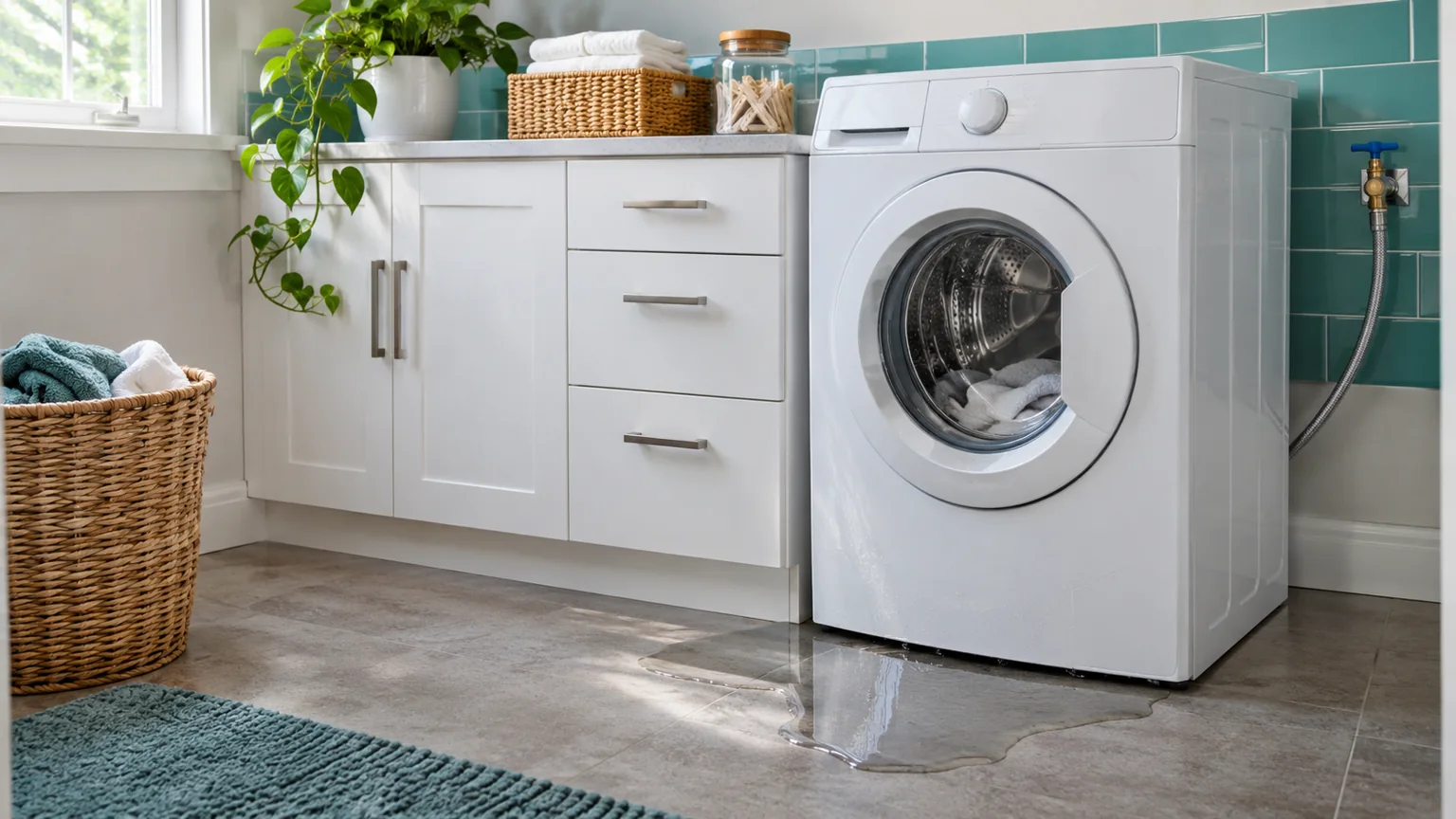
When a water incident needs a different specialist
Recognize the questions that separate water removal from electrical, structural, contamination, mold and source-repair work.
Read the guide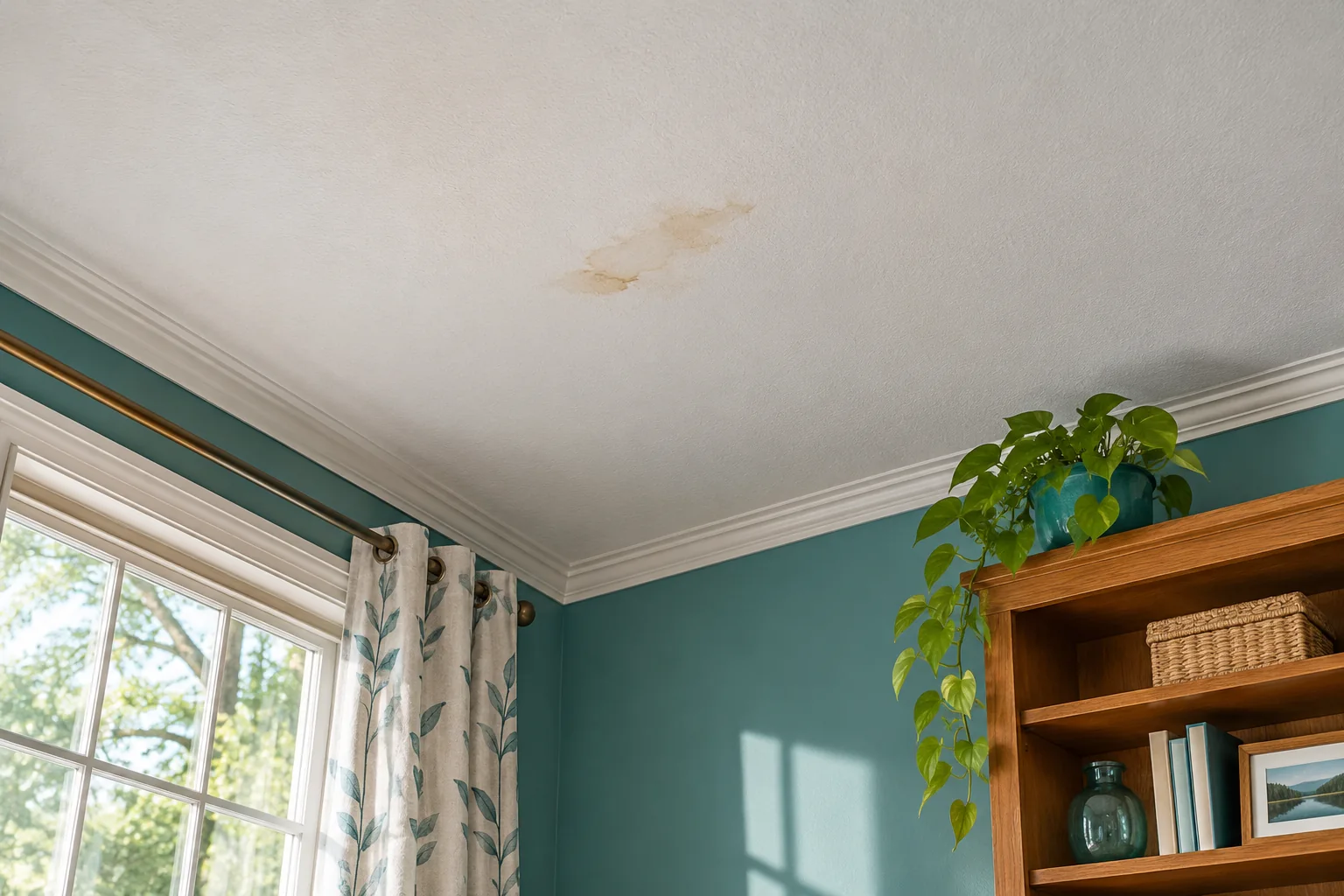
Preparing for a water removal visit and the days that follow
Plan access, household communication, scope approvals and progress records without entering unsafe areas or changing equipment yourself.
Read the guideDifferent damage.
A specific plan.
Fire damage removal
Discuss fire-damaged materials, affected rooms and the cleanup scope after the property is cleared for access.
Explore the serviceMold inspection & removal
Understand mold removal and remediation, and clarify whether an inspection or testing is part of the proposed service.
Explore the serviceBiohazard & sewage cleanup
Discuss sewage, biological waste and qualifying hoarding cleanup. Needle disposal is excluded; confirm the specific conditions with the provider.
Explore the service