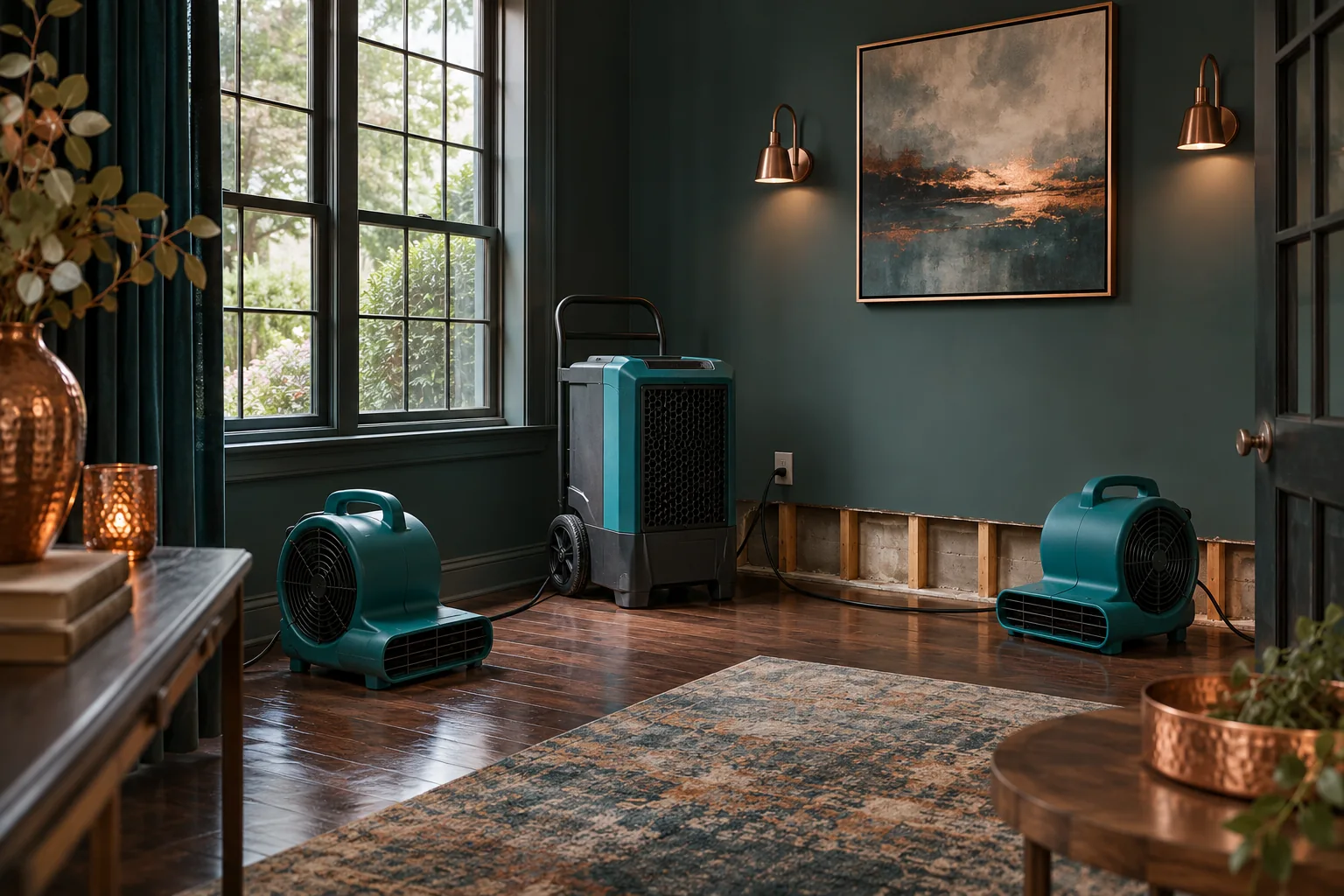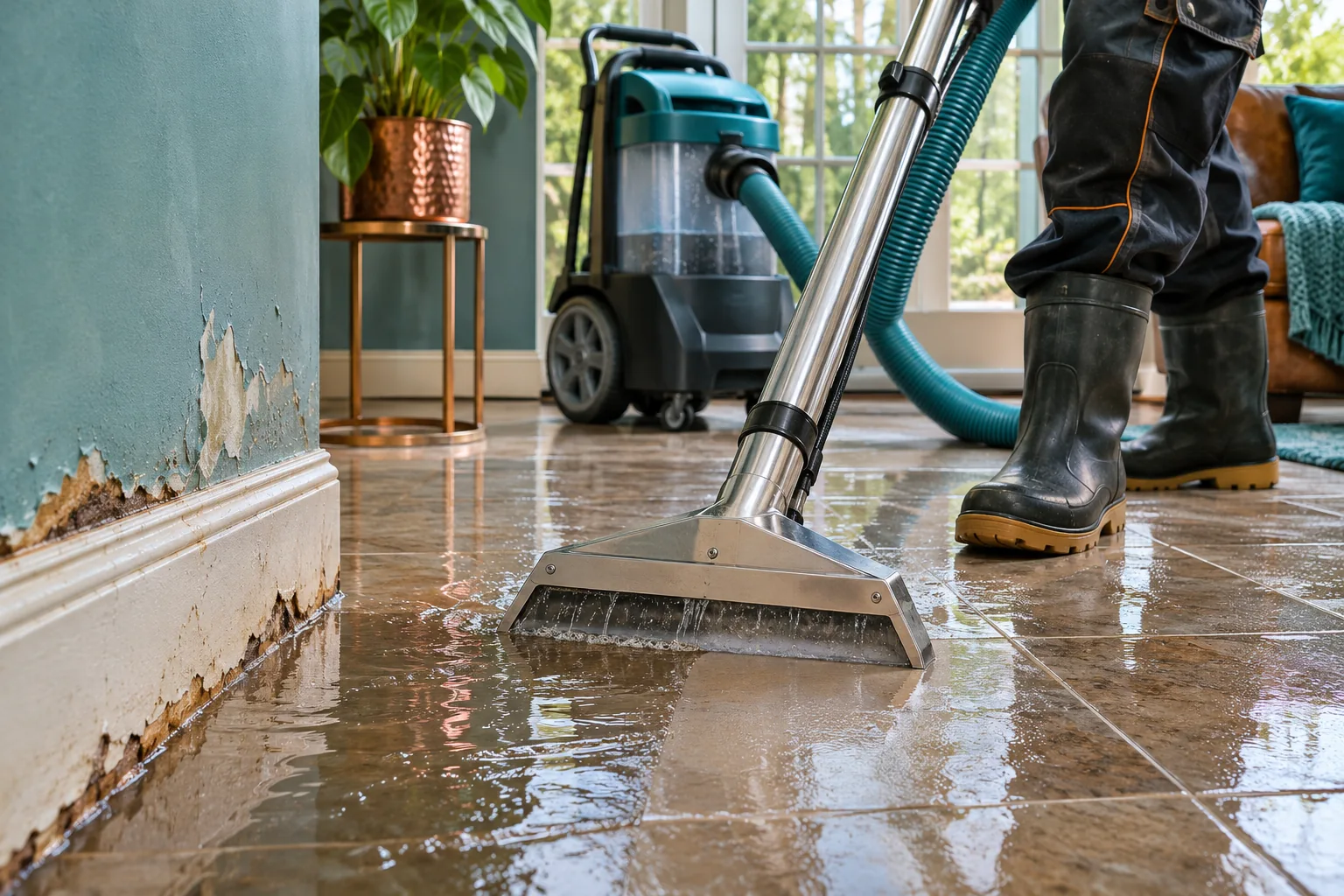
Start with people and access
Finding water across a floor makes everything feel urgent at once. The first useful decision is whether the area is safe to approach. Standing water, damaged electrical equipment, an unstable ceiling or a strong unexplained odor changes the situation from a cleanup task to a safety problem. Keep people away from the affected area while the appropriate emergency service, utility or qualified professional addresses the hazard. A water removal conversation does not replace an emergency response.
CDC guidance advises against entering visibly damaged buildings and against operating wet electrical equipment. Do not enter water to reach a breaker, appliance or phone. If officials have restricted access after a flood, follow those restrictions. You can begin organizing information from a safe place; a photograph is never worth entering an unsafe room.
Write down what you actually know
A clear incident description is more useful than a confident guess about the cause. Write when you first noticed water, which rooms appear affected, whether water is still arriving, and whether anyone has already stopped a known source. If you were away overnight, say that the duration is unknown. Describe an observed leak under a sink as an observed leak, rather than diagnosing a failed pipe connection that nobody has inspected.
Note whether the water came from an indoor supply, an appliance, a drain, outside runoff or an unknown source. Mention a sewage odor, visible debris, discoloration or a recent widespread flood. Those details help the person receiving the call decide whether the requested work fits their capabilities. Do not assume clear-looking water is suitable for ordinary cleanup.
Describe the home without estimating the damage
Have your service ZIP ready, followed by a simple description of the property: a house, townhouse, condominium or apartment; the affected floor; and any access limitations. Useful examples include water in a ground-floor kitchen, a wet bedroom ceiling below a bathroom, or standing water at the bottom of basement steps. Tell the provider if the affected area is behind a locked door or if building management must authorize entry.
You do not need to measure an unsafe room or pull up flooring before the call. Explain which surfaces are visibly wet and which adjoining spaces have not been checked. Ask what the assessment will cover, including spaces below the visible problem. A professional may need information from a plumber, electrician, property manager or other specialist before recommending the next step.
Prepare a short set of service questions
Ask whether the provider handles the type of water incident you described and whether your address is within the area they can currently serve. Then ask what happens first: a phone discussion, an on-site assessment, water extraction or another step. Confirm whether a visit or assessment has a charge, who will arrive, and how the proposed scope and price will be explained before you authorize work.
Separate an estimated arrival window from a guaranteed arrival. Ask how you will be notified if the schedule changes. If equipment may remain in the home, ask about access, monitoring and charges. If your immediate need includes plumbing repair, mold remediation, sewage cleanup or reconstruction, name it explicitly; do not assume it is included in a water damage removal request.
Keep a record that follows the job
Create one folder for photographs, notes, estimates and receipts. Use room names in filenames so that a kitchen photograph is not confused with an upstairs bathroom photograph later. Record the date and the name of each company you speak with, along with the next action they agreed to take. If different trades are involved, distinguish their roles rather than expecting one call to coordinate every part of the project.
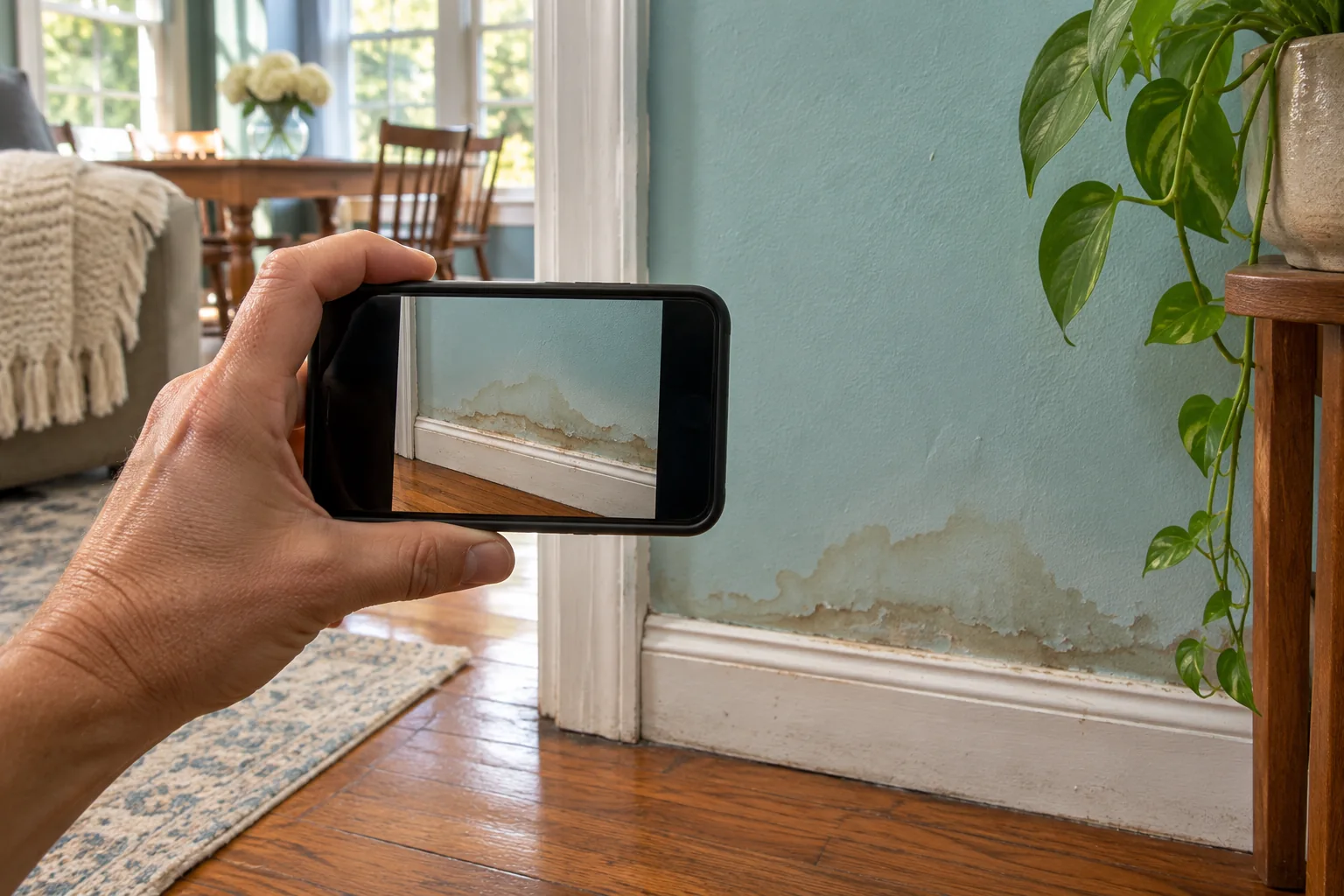
Photographs taken safely before work begins can help explain the starting condition. Keep copies of written authorizations and any changes to the agreed scope. If you are making an insurance claim, ask the insurer what documentation it needs and how to report additional findings. The provider's service agreement and the insurer's coverage decision are separate matters.
Know what a useful next step looks like
By the end of the first conversation, you should understand whether service is available, what issue the provider believes it is being asked to assess, and what you have or have not authorized. Repeat back the appointment details and the best contact method. If the provider cannot handle the incident, ask which type of specialist is appropriate without assuming a referral is a promise of availability.
This website is a referral resource, not a local emergency agency or a claim administrator. Call availability and the final service scope depend on the independent provider. A well-prepared call helps reduce misunderstandings, but it cannot establish the safety of the property, the cost of the work or an exact drying schedule before assessment.
Further reading
Reviewed November 23, 2026. General homeowner information; the provider determines the specific assessment and scope.