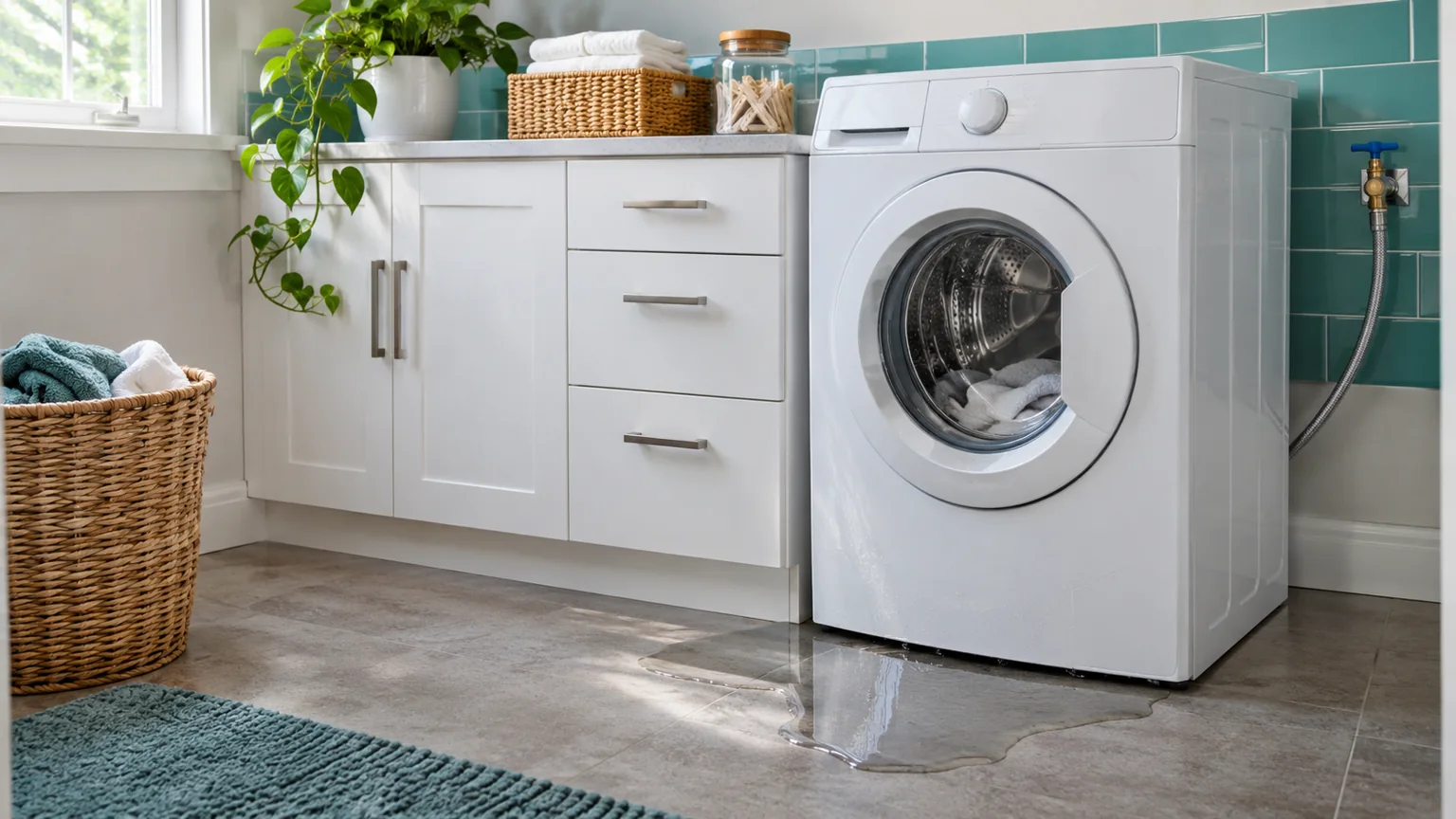
Name the concern before requesting the service
Water damage removal is a useful description of a need, but it does not describe every hazard or repair that may be involved. A person calling about a wet floor may also be dealing with a damaged electrical device, sewage backup, unstable ceiling or an unresolved leak. State those concerns at the start of the conversation. The provider needs to know the incident as it is, not only the service you hoped to purchase.
Do not assume one company handles every associated task. Ask whether the business accepts the specific incident, which work it is qualified to perform and what must be addressed first by someone else. A referral connection cannot establish those capabilities in advance. If there is immediate danger, use the appropriate emergency or utility service rather than treating a cleanup call as the emergency response.
Electrical and structural questions come before access
Wet electrical equipment, standing water near electrical components, visible structural damage or an unstable ceiling can make an area unsafe to enter. Keep people away and seek the relevant qualified assessment. CDC's disaster guidance warns against using wet electrical devices and advises caution around damaged buildings. Do not test an appliance or enter a wet room simply to provide more detail to a service representative.
When calling, explain what can be seen from a safe location and what has not been inspected. Ask whether a utility, electrician or building professional must address the condition before the water removal team can work. Record the answer and identify who will arrange that assessment. Clear responsibility is more valuable than a quick promise that everything can begin immediately.

Contaminated or unknown water needs an explicit conversation
Outside floodwater and drain-related incidents raise questions that differ from an identified indoor supply leak. CDC notes that flood-affected homes may contain sewage or other hazards. Tell the provider about outside water, drain backup, odor or debris without claiming you can classify the water yourself. If the source is unknown, state that plainly and ask how the provider will assess the situation.
Avoid starting fans or moving affected material based on advice intended for clean-water incidents. Ask what precautions and specialist capabilities are required for the actual condition. Sewage cleanup is included under the expanded biohazard category, but the provider must accept the particular material and address. The appropriate provider must confirm both the scope and its ability to handle it before work is authorized.
A mold concern is not just another name for water removal
If you see suspected growth or notice a persistent musty odor, mention it before scheduling. Do not label a substance by color or assume an odor proves a particular organism. EPA emphasizes moisture control and explains that hidden mold can occur after water damage. Ask the provider whether the concern changes the assessment, access precautions or type of specialist needed.
Water removal and mold remediation are distinct service conversations. A company may offer one, both or neither for a particular incident. Mold removal is included in the expanded Premium offer, but it is not automatically included in a water extraction estimate. People with health concerns should seek appropriate medical guidance; a website or phone representative cannot determine whether an individual should enter or occupy an affected room.
Source repair and rebuilding require their own scope
Stopping an active plumbing leak, correcting a roof problem and rebuilding damaged finishes are not automatically included in water removal. Ask each company to identify the part of the project it proposes to perform. If another trade is needed, clarify the sequence and what information should be shared. A written handoff can prevent extraction from being confused with a complete repair of the underlying problem.
If demolition or access openings are proposed, ask whether the building materials require further assessment before disturbance. Do not cut into unknown materials yourself to make the job easier to quote. The provider should explain the planned work and any limits of its assessment, including who is responsible for specialist testing or evaluation when the circumstances require it.
Use a responsibility list to keep the project clear
Create a simple list of each unresolved issue, the professional responsible for evaluating it, and what must happen before the next step. This can be as straightforward as source repair pending, electrical clearance needed, water removal assessment scheduled and finish repairs not yet quoted. Keep the list factual and update it when someone provides a written finding or completes agreed work.
If a provider declines the incident, ask what type of help is appropriate without treating a suggested contact as a guarantee of availability. The aim is a safe, well-defined sequence, not to force several different services into one label. Independent providers determine their accepted scope, availability, pricing and terms. Confirm those details for your property before authorizing work.
Further reading
Reviewed November 23, 2026. General homeowner information; the provider determines the specific assessment and scope.